

Quick Summary
Home flooding can cause extensive water damage to flooring, drywall, foundations, electrical systems, furniture, and personal belongings. Whether caused by heavy rainfall, burst pipes, plumbing leaks, or sewer backups, floodwater can create immediate safety hazards and long-term problems such as mold growth, structural deterioration, and contamination. Knowing what to do when your house floods, shutting off the water supply when appropriate, documenting damage for insurance, and arranging professional plumbing repairs can help minimize damage and recovery costs.
Key Takeaways
- Act quickly when your house floods. Identify the water source, shut off the main water supply if a plumbing failure is responsible and it is safe to do so, and avoid entering areas with electrical or structural hazards.
- Document water damage for insurance purposes. Photograph affected rooms, damaged belongings, flooring, walls, and the suspected source of flooding before beginning cleanup when it is safe.
- Understand the risks of hidden water damage. Moisture can penetrate drywall, insulation, subflooring, and wall cavities, potentially causing mold growth and deterioration even after visible water disappears.
- Know the difference between clean water and contaminated floodwater. Sewage backups and outdoor floodwater can contain harmful microorganisms and require specialized cleanup procedures.
- Prevent avoidable plumbing-related flooding. Regular plumbing inspections, leak detection, drain maintenance, and prompt repairs can reduce the likelihood of burst pipes, overflowing fixtures, and other water emergencies.
How Flooding Can Damage Your Home and Why Immediate Action Matters
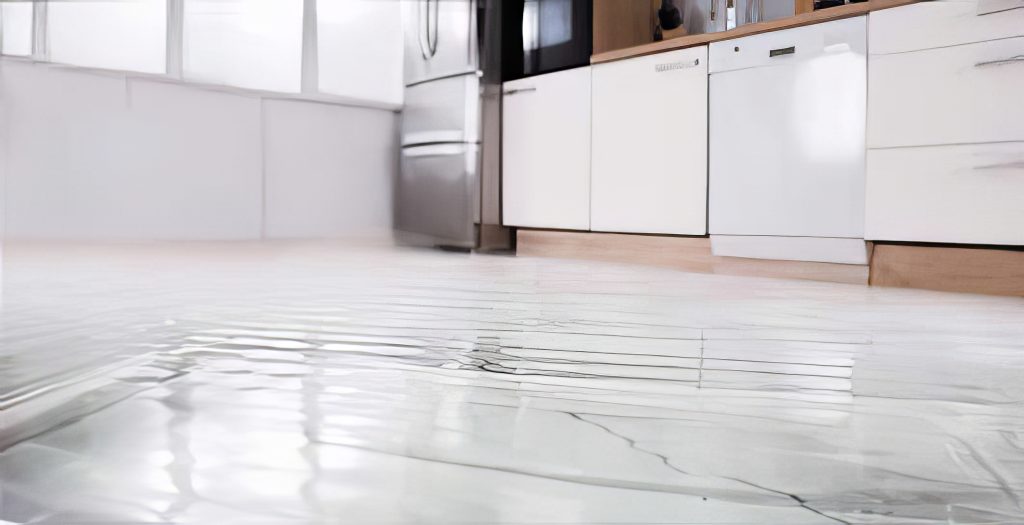
Few household emergencies are as disruptive as discovering water spreading across your floors. A burst pipe can release water into a room within minutes, while an overflowing toilet, failed water heater, or hidden plumbing leak may cause damage before anyone realizes something is wrong. Severe storms and flash flooding present additional risks, particularly when water enters through doors, windows, foundations, or exterior drainage systems. The damage doesn’t necessarily end when the water stops flowing. Moisture can penetrate porous building materials, reach electrical components, and collect beneath flooring or inside walls. Even a relatively small amount of water can create significant problems when it reaches vulnerable areas or remains undetected for an extended period.
Understanding how flooding damages a home is important because the visible water is often only part of the problem. The source of the flooding, the amount of water involved, and how long building materials remain wet all influence the extent of the damage. A plumbing leak involving clean supply water presents different concerns than a sewer backup or stormwater flooding, but all require an appropriate response. For homeowners throughout Hemet, Riverside, Temecula, Murrieta, and surrounding Inland Empire communities, recognizing the early warning signs of plumbing failures can help prevent avoidable emergencies. At 5 Star Plumbing, Heating & Air, our professional plumbing services include leak detection, pipe repairs, drain cleaning, and emergency plumbing assistance to address problems that can lead to residential flooding.
What Are the Most Common Causes of Home Flooding?
Not all residential flooding begins with severe weather. In fact, many household water emergencies originate within the plumbing system, where aging pipes, damaged connections, blocked drains, or malfunctioning fixtures allow water to escape. Identifying the source is one of the most important steps in determining how to stop the flooding and prevent it from happening again.
Burst Pipes and Broken Plumbing Connections
A burst water pipe can release substantial amounts of water into a home, particularly when the damaged section is connected to a pressurized supply line. Pipe failures may result from corrosion, physical damage, excessive water pressure, freezing conditions, or deteriorated fittings. Some pipe failures occur suddenly, while others develop from smaller leaks that weaken surrounding materials over time. Older plumbing systems may be especially vulnerable when corrosion or previous repairs have compromised pipe integrity.
When a pipe bursts, shutting off the home’s main water supply can stop additional water from entering the damaged line. However, the shutoff valve should only be approached if it can be reached safely without entering standing water near electrical hazards. Homeowners who notice recurring leaks, corrosion, or unexplained moisture should consider professional pipe leak detection and repair before a minor plumbing problem develops into a more serious failure.
Hidden Water Leaks Behind Walls and Beneath Floors
Not every plumbing leak produces an obvious puddle. Water supply lines frequently run through walls, ceilings, crawl spaces, and concrete foundations, allowing leaks to develop in areas that are difficult to inspect. A hidden water leak may first appear as peeling paint, discolored drywall, damp carpeting, warped flooring, or an unexplained increase in the water bill. In some cases, homeowners hear water running even when every faucet and appliance is turned off. These symptoms shouldn’t be ignored. Moisture trapped inside building materials can spread beyond the original leak location, creating damage that becomes increasingly expensive to investigate and repair. Professional water leak detection services can help locate concealed plumbing problems without relying entirely on exploratory demolition.
Overflowing Toilets, Clogged Drains, and Sewer Backups
Blocked drains can also cause flooding, particularly when wastewater has nowhere to go. A localized toilet clog may cause water to overflow onto the bathroom floor, while a blockage in the main sewer line can affect multiple plumbing fixtures throughout the house. Sewer backups are especially concerning because the wastewater may contain bacteria, viruses, and other contaminants. Water backing up into showers, bathtubs, or lower-level floor drains can indicate that a shared drainage pipe or main sewer line is obstructed. Recurring drain clogs, gurgling toilets, and several slow drains occurring simultaneously are warning signs worth investigating. Professional drain cleaning and sewer line services can help identify and address obstructions before they result in a more serious backup.
Water Heater and Appliance Failures
Water heaters, washing machines, dishwashers, refrigerators, and other water-connected appliances can cause flooding when hoses, valves, tanks, or fittings fail. A deteriorated washing machine supply hose, for example, may release water continuously until the supply is shut off. Water heaters can develop leaks around plumbing connections, drain valves, or the tank itself. A leaking tank may require replacement, while some connection leaks can be repaired without replacing the entire unit.
Regularly inspecting accessible hoses and connections can help homeowners recognize deterioration before a failure occurs. Appliances should also be installed according to manufacturer instructions, with appropriate shutoff valves and leak protection where practical.
Heavy Rainfall, Flash Flooding, and Poor Exterior Drainage
Natural flooding presents a different set of challenges because the water source may be outside the homeowner’s control. Heavy rainfall, flash floods, overflowing drainage channels, and stormwater runoff can allow water to enter through doors, windows, foundation openings, or below-grade spaces. Properties with inadequate grading or blocked exterior drains may experience additional water accumulation near the foundation. Damaged window seals and poorly maintained exterior openings can also allow rainwater to enter, although these problems are distinct from flooding caused by rising surface water.
Unlike a burst pipe, outdoor flooding cannot be stopped by turning off the home’s water supply. Homeowners should follow local emergency guidance, avoid entering floodwater, and prioritize personal safety over property protection.
The Hidden Damage Floodwater Can Cause Throughout Your Home
Water damage is rarely limited to the area where flooding first becomes visible. Depending on the building materials involved, moisture can spread horizontally beneath flooring, move through wall cavities, or collect in concealed spaces. This is why a room may appear dry on the surface while still containing significant moisture beneath finished materials.
Flooring, Carpeting, and Subfloor Damage
Different flooring materials respond to water exposure in different ways. Hardwood flooring can absorb moisture and develop cupping, swelling, or warping, while laminate flooring may experience separation or deterioration when water reaches its fiberboard core. Carpeting and padding can retain substantial amounts of water, particularly after prolonged exposure. Even when the carpet surface feels dry, moisture may remain trapped underneath and affect the subfloor. Tile flooring is generally more resistant to surface water, but water can still penetrate damaged grout, cracks, or surrounding materials. The condition of the underlying floor structure must be considered when evaluating damage.
Drywall, Insulation, and Interior Wall Damage
Drywall is particularly vulnerable to prolonged moisture exposure because its gypsum core and paper facing can absorb water. As moisture spreads, the material may soften, swell, discolor, or lose structural integrity. Insulation inside wall cavities can also retain moisture, making thorough drying more difficult. Depending on the water source and extent of contamination, some materials may need to be removed rather than simply dried. Water damage around baseboards or the lower portions of walls may indicate that moisture has traveled beyond the visible flooded area.
Foundation and Structural Concerns
Flooding can affect a home’s foundation and structural components, although the severity depends on the building’s construction, soil conditions, water depth, and duration of exposure. Prolonged saturation around foundations may contribute to soil movement, erosion, or water intrusion into basements and crawl spaces. Significant flooding can also damage wood framing, subflooring, and other structural materials. Not every plumbing leak causes foundation damage. However, persistent moisture beneath a concrete slab or around structural supports deserves professional evaluation.
Electrical Systems and Household Appliances
Water and electricity create potentially life-threatening hazards. Floodwater can reach outlets, electrical panels, wiring, appliances, and equipment located near the floor. Electrical components exposed to water may remain unsafe even after the surrounding area appears dry. Homeowners should never enter standing water to reach an electrical panel or attempt to operate submerged appliances. If flooding has affected electrical equipment, a qualified electrician should evaluate the system before power is restored or damaged equipment is used.
How Quickly Can Mold Develop After a House Floods?
Mold is one of the most common concerns following residential water damage because many building materials provide suitable surfaces for growth when moisture remains present. The Environmental Protection Agency recommends drying water-damaged materials within approximately 24 to 48 hours to help reduce the likelihood of mold growth. This timeframe is an important general guideline, but actual mold development depends on temperature, humidity, materials, and existing environmental conditions. Drywall, carpeting, insulation, wood, and other porous materials may retain moisture long after standing water has been removed. In humid or poorly ventilated spaces, drying can take longer and may require specialized equipment. Mold prevention involves more than placing fans in a flooded room. The water source must be stopped, affected materials must be evaluated, and moisture must be removed from both visible and concealed areas. When sewage or contaminated floodwater is involved, ordinary household drying methods may be inappropriate. Homeowners should also understand that mold damage and bacterial contamination are different concerns. Sewage-contaminated materials may require specialized handling even when visible mold is not present.
What to Do Immediately When Your House Floods
Knowing what to do when your house floods can make a significant difference in both safety and property damage. The appropriate response depends on whether the water originates from a plumbing failure, sewer backup, or natural flooding event. The following steps provide a practical framework for responding to residential flooding.
1. Make Sure Everyone Is Safe
Personal safety should always come before protecting belongings or attempting cleanup. Avoid entering flooded rooms if water may be in contact with electrical outlets, appliances, wiring, or other energized equipment. If flooding is extensive, the structure appears unstable, or authorities have issued an evacuation order, leave the property and follow emergency instructions. Never walk or drive through moving floodwater. Outdoor floodwater can conceal damaged roads, debris, electrical hazards, and strong currents.
2. Stop the Water Source When Possible
If flooding is caused by a burst pipe or another plumbing supply failure, shutting off the main water valve can prevent additional water from entering the home. For an overflowing toilet, the fixture’s shutoff valve may stop the immediate flow, provided it can be reached safely. If the problem involves a sewer backup, stop using sinks, toilets, showers, washing machines, and other plumbing fixtures until the obstruction has been evaluated. Continuing to send wastewater into a blocked sewer line can worsen the backup. When water enters from outside during a storm or a natural flood, turning off the plumbing supply will not stop the incoming water. In these situations, follow local emergency guidance rather than attempting unsafe repairs.
3. Document the Damage for Insurance
Once the area is safe, photograph and record the visible damage before beginning major cleanup. Images of affected rooms, damaged furniture, flooring, walls, appliances, and the suspected source of flooding can help establish the extent of the loss. Take photographs from several angles and capture both wide views and close-up details. If possible, record the approximate water level, identify damaged belongings, and keep receipts for emergency repairs, temporary accommodations, and cleanup expenses. Contact your insurance provider promptly to report the damage and ask about documentation requirements. Coverage depends on the cause of the flooding and the policy’s terms, so homeowners should not assume that every type of water damage is covered.
4. Protect Undamaged Belongings
If the area is safe to enter, move dry furniture, electronics, documents, and other valuable items away from the affected area. Items exposed to sewage or outdoor floodwater should be handled cautiously because contamination may not be immediately visible. Avoid moving heavy, waterlogged furniture without assistance. Wet materials can be considerably heavier than expected, and improper lifting may cause injury.
5. Arrange Water Removal and Drying
Standing water should be removed as soon as conditions permit, but the cleanup method must be appropriate for the water source. Small amounts of clean water from a contained plumbing leak may sometimes be managed with household equipment, provided there are no electrical or contamination hazards. Significant flooding, sewage contamination, or water trapped beneath flooring and inside walls may require professional water damage restoration. Restoration specialists can evaluate moisture levels, extract water, dry affected materials, and determine whether contaminated or damaged materials need removal. A plumber addresses the source of a plumbing failure, while a restoration professional handles water extraction, structural drying, and related cleanup. Both services may be necessary after a major household flood.
6. Contact an Emergency Plumber
When flooding results from a burst pipe, leaking water heater, damaged supply line, or sewer backup, repairing the plumbing problem is essential to preventing additional water damage. A qualified plumber can identify the cause, isolate damaged plumbing components, and recommend appropriate repairs. In some situations, specialized leak detection equipment may be needed to locate the source of water intrusion. For urgent plumbing failures, 5 Star Plumbing, Heating & Air provides emergency plumbing services throughout its Inland Empire service area.
Clean Water, Gray Water, and Sewage: Why the Water Source Matters
One of the most important considerations after a flood is determining what type of water has entered the home. The source affects potential health risks, salvageable materials, and required cleanup procedures. Water damage restoration professionals commonly classify water into three categories based on contamination.
Category 1 water generally originates from a sanitary source, such as a broken clean-water supply line. Although initially considered relatively clean, it can become contaminated upon contact with building materials, soil, or other substances.
Category 2 water contains significant contamination and may cause discomfort or illness if improperly handled. Certain appliance discharges and other wastewater sources may fall into this category, depending on their contents.
Category 3 water is grossly contaminated and can contain harmful microorganisms or other hazardous substances. Sewage backups and water entering from outdoor flooding are commonly treated as Category 3 situations.
These classifications help explain why homeowners should not approach every flooded room in the same way. A small clean-water leak may require relatively straightforward drying, while sewage-contaminated carpeting, insulation, or drywall may need specialized cleaning or removal. When the water source is uncertain, avoid direct contact and seek professional guidance before beginning cleanup.
Will Homeowners Insurance Cover Flooding and Water Damage?
Insurance coverage is an important consideration after a residential flooding event, but the word “flooding” can describe several different situations that insurers treat differently. Standard homeowners insurance policies may cover certain sudden and accidental water damage events, such as a covered burst pipe. However, coverage depends on the policy language, circumstances, exclusions, and whether the damage resulted from an ongoing maintenance problem. Water entering from outside due to rising floodwaters is generally excluded from standard homeowners insurance policies. Separate flood insurance is typically required for covered losses caused by qualifying flood events.
Sewer backups and drain overflows may also be subject to exclusions unless the homeowner has purchased applicable water backup coverage or an endorsement. For this reason, documenting the water source is just as important as documenting the damage itself. A burst water supply pipe, a backed-up sewer line, and stormwater entering through a doorway can produce similar-looking damage while raising very different coverage questions. Homeowners should contact their insurance provider promptly, preserve relevant documentation, and ask what emergency mitigation work is authorized under their policy. Necessary safety measures should not be delayed simply to obtain photographs or await an adjuster.
How to Prevent Plumbing-Related Flooding Before It Happens
Not every flood can be prevented, especially when severe weather or natural disasters are involved. However, many plumbing-related water emergencies are associated with conditions homeowners can identify and address before a major failure occurs. Regular plumbing maintenance is one of the most practical ways to reduce avoidable risks.
Inspect Plumbing Fixtures and Supply Lines
Look for moisture around sinks, toilets, washing machines, water heaters, and other plumbing connections. Corrosion, mineral deposits, damp cabinetry, and unexplained water stains may indicate a developing leak. Flexible appliance supply hoses should be inspected for deterioration, bulging, or damaged connections. Replacing worn components before they fail can help prevent sudden water releases.
Address Hidden Leaks Early
A plumbing leak doesn’t have to be large to cause significant damage. Water escaping behind a wall or beneath a floor can remain undetected while gradually saturating surrounding materials. Unexplained increases in water bills, persistent dampness, musty odors, and sounds of running water when fixtures are turned off can indicate hidden leaks. Professional leak detection and plumbing repair can help identify these problems before extensive damage develops.
Maintain Drains and Sewer Lines
Clogged drains and sewer backups are preventable in some circumstances, particularly when blockages result from grease, hair, food waste, and inappropriate materials entering the plumbing system. Avoid pouring grease down kitchen sinks, install drain screens where practical, and flush only human waste and toilet paper. Repeated slow drainage or recurring clogs should be investigated rather than continually treated with temporary solutions. Homes with known sewer line problems may benefit from professional cleaning or inspection, especially when previous backups have occurred.
Know Where Your Main Water Shutoff Valve Is Located
Every homeowner should know how to shut off the water supply during a plumbing emergency. Depending on the property, the main shutoff valve may be located near the water meter, in a utility room, or where the supply line enters the building. Identify the valve before an emergency occurs and make sure responsible household members know its location. If the valve is difficult to operate or appears damaged, have it inspected rather than forcing it.
Consider Water Leak Detection Devices
Modern water leak detection systems can provide an additional layer of protection against plumbing-related flooding. Some devices use moisture sensors to alert homeowners when water appears near appliances, sinks, or other vulnerable areas. More advanced systems monitor water usage and can automatically shut off the main supply when unusual flow patterns suggest a leak. These systems cannot prevent every water emergency, particularly sewer backups or natural flooding, but they may reduce damage from certain supply-line failures when properly installed and maintained.
Improve Exterior Drainage and Weather Protection
Outdoor drainage maintenance can help reduce water accumulation around a home during heavy rainfall. Keep accessible gutters, downspouts, and yard drains free of debris, and inspect exterior openings for damaged seals or gaps. Water should generally be directed away from the foundation rather than allowed to collect against exterior walls. Persistent standing water may indicate grading problems or inadequate drainage infrastructure, both of which require professional evaluation. For properties exposed to significant flood risk, homeowners should also review local flood maps, emergency evacuation guidance, and available flood insurance options.
When Is Home Flooding a Plumbing Emergency?
A small drip beneath a sink may be manageable until a scheduled repair appointment, but uncontrolled water flow requires a different response. Burst pipes, rapidly spreading water, overflowing toilets, and sewage backing up into occupied spaces are all situations that can require emergency plumbing assistance. The urgency increases when water threatens electrical systems, structural materials, or areas containing valuable belongings. Even after the immediate water source has been stopped, concealed moisture may continue causing damage if drying and restoration are delayed.
One of the most common mistakes homeowners make is assuming that a plumbing problem can wait because the water appears to have stopped. A leak may resume when pressure returns, while a blocked sewer line may back up again as soon as plumbing fixtures are used. Our related article, 7 Signs You Need Emergency Plumbing and the Hidden Costs of Waiting, explains additional warning signs that warrant urgent attention.
If you’re unsure what happens during an emergency service call, our guide to what to expect when calling an emergency plumber provides helpful information about the process.
Frequently Asked Questions About Home Flooding and Water Damage
What Should I Do First if My House Floods?
Your first priority should be personal safety. Avoid entering flooded areas with possible electrical hazards, contaminated water, or structural damage. If the flooding is caused by a plumbing supply failure and the main water valve can be reached safely, shut off the water to prevent additional damage. Once conditions are safe, document the damage, protect unaffected belongings, contact your insurance provider, and arrange appropriate plumbing repairs and water removal.
How Long Does It Take for Water Damage to Become Serious?
Water damage can begin immediately when moisture reaches vulnerable materials such as drywall, carpeting, insulation, or wood flooring. The extent of deterioration depends on the water source, exposure time, temperature, and materials involved. Mold can begin developing under favorable conditions within approximately 24 to 48 hours, making prompt drying important. However, significant damage can occur even before mold becomes visible.
Can a Small Plumbing Leak Cause Major Water Damage?
Yes. A small leak that continues for an extended period can saturate drywall, flooring, insulation, and other building materials. Hidden leaks are particularly concerning because moisture may spread without producing an obvious puddle. Unexplained water bills, damp surfaces, peeling paint, and musty odors can indicate a leak that requires investigation.
Does Homeowners Insurance Cover a Burst Pipe?
Homeowners insurance may cover sudden and accidental water damage from a burst pipe, depending on the policy and circumstances. However, exclusions may apply to damage caused by neglected maintenance, gradual leaks, or other specified conditions. The cost of repairing the failed pipe itself may also be treated differently from the resulting water damage. Homeowners should review their coverage and contact their insurer for guidance.
Can I Clean Up Floodwater Myself?
Small amounts of clean water may sometimes be managed safely with household equipment, provided there are no electrical hazards or signs of contamination. However, extensive flooding, sewage backups, outdoor floodwater, and moisture trapped inside building materials may require professional restoration. Homeowners should avoid handling contaminated water without appropriate protective equipment and training.
How Can I Tell if Water Damage Is Hidden Behind My Walls?
Possible warning signs include discoloration, bubbling paint, soft drywall, musty odors, warped baseboards, and persistent dampness. Some leaks may also cause an unexplained increase in water usage. Professional moisture detection and plumbing inspection can help determine whether water is present inside concealed areas and identify the source.
Can Clogged Drains Cause My House to Flood?
Yes. A blocked drain can cause wastewater to overflow from sinks, toilets, showers, or floor drains. When the obstruction affects the main sewer line, multiple fixtures may back up simultaneously. Regular drain maintenance and prompt investigation of recurring clogs can reduce the risk of certain plumbing-related flooding events, although they cannot prevent every sewer backup.
How Can I Prevent My Home From Flooding While I’m Away?
Before an extended trip, consider shutting off the main water supply if appropriate for your plumbing system and household equipment. Inspect appliance hoses and plumbing connections, repair known leaks, and ensure someone can respond if a problem occurs. Water leak sensors and automatic shutoff systems may provide additional protection, particularly for homes left unattended for long periods.
Protect Your Home From Plumbing-Related Flooding With 5 Star Plumbing, Heating & Air
Home flooding can turn an ordinary day into an expensive and stressful emergency. Whether the cause is a burst pipe, hidden water leak, overflowing fixture, or sewer backup, identifying and stopping the source quickly is essential to limiting additional damage. At 5 Star Plumbing, Heating & Air, we help homeowners throughout Hemet, Riverside, Temecula, Murrieta, Beaumont, and surrounding Inland Empire communities address plumbing problems that can lead to water damage. Our experienced plumbers provide leak detection, pipe repairs, drain cleaning, sewer services, and emergency plumbing assistance to help restore safe and reliable plumbing performance.
With more than 25 years of industry experience, our team understands the importance of diagnosing plumbing failures accurately and recommending appropriate repairs. From locating concealed leaks to addressing urgent water supply problems, we’re here to help homeowners protect their properties from preventable plumbing damage.
Don’t wait for a small plumbing problem to become a major household flood.
Contact 5 Star Plumbing, Heating & Air or call (951) 363-2911 to schedule service.