

Quick Summary
Recognizing the warning signs of clogged drains can help homeowners prevent serious plumbing problems and costly repairs. Five common indicators that your drains may need professional cleaning include slow-draining water, recurring clogs, persistent foul odors, frequent reliance on chemical drain cleaners, and gurgling sounds from pipes. These symptoms can develop when hair, grease, soap residue, food particles, and other debris accumulate inside plumbing lines. While minor blockages may respond to basic cleaning methods, persistent drainage problems often require professional attention to identify and address the underlying cause.
Key Takeaways
- Slow-draining water in sinks, showers, and bathtubs often indicates a developing blockage caused by accumulated hair, grease, or soap residue.
- Recurring clogs may signal a deeper obstruction that plunging or basic drain cleaning cannot fully resolve.
- Persistent drain odors can result from trapped food particles, grease buildup, sewer gas, or plumbing venting problems.
- Frequent chemical drain cleaner use can create safety concerns and potentially damage plumbing materials without resolving the underlying blockage.
- Gurgling sounds may indicate restricted drainage, sewer line obstructions, or plumbing ventilation issues that require professional inspection.
Clogged drains are among the most common plumbing problems homeowners experience. While an occasional slow-draining sink may seem like a minor inconvenience, persistent drainage issues can indicate developing blockages or problems deeper within your plumbing system. Over time, everyday materials such as hair, soap scum, grease, food particles, and other debris can accumulate inside drainpipes. As this buildup increases, water has less room to flow, resulting in slower drainage, recurring clogs, and potentially unpleasant odors.
Ignoring these early warning signs can allow relatively minor plumbing problems to develop into more serious issues, including wastewater backups and damage to plumbing fixtures or surrounding areas. Knowing when to attempt basic drain maintenance and when to contact a professional plumber can help protect your home’s plumbing system and prevent unnecessary repairs.
Here are five warning signs that your drains may need professional cleaning.
1. Slow-Draining Water
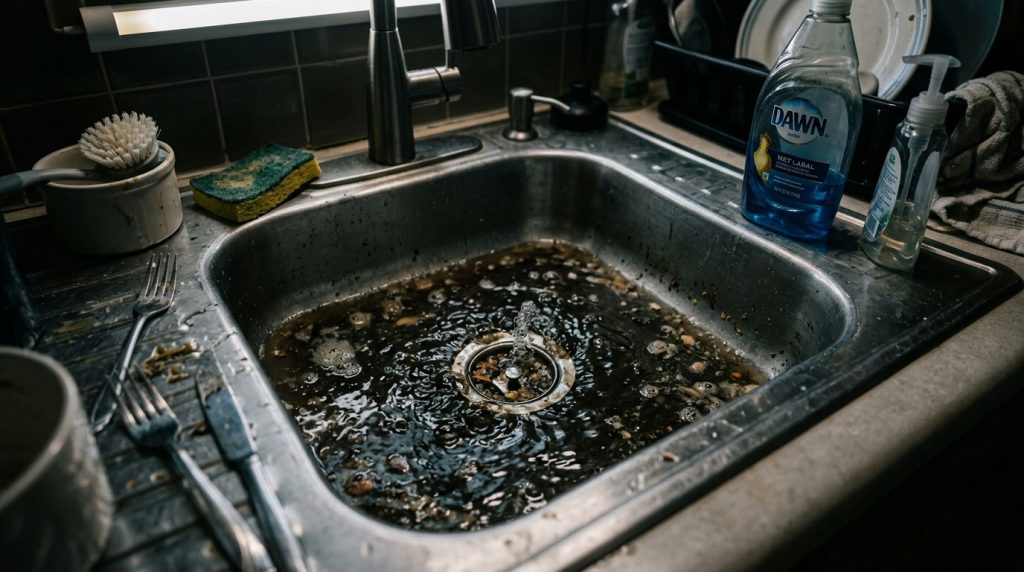
One of the earliest and most recognizable signs of a developing drain blockage is water that takes longer than usual to disappear from a sink, bathtub, or shower. When a drain is functioning properly, water should flow through the pipe without significant delay. If water begins collecting around your feet during a shower or remains in the sink after washing your hands, there may be an obstruction restricting the flow.
What Causes Slow-Draining Water?
Slow drainage commonly results from the gradual accumulation of debris inside pipes. In bathroom sinks and showers, hair and soap residue are frequent contributors. These materials can collect along the interior walls of drainpipes, gradually reducing the available space for water to pass through. Kitchen sinks experience similar problems, although grease, cooking oils, and food particles are more common causes. When grease cools, it can adhere to pipe surfaces and trap additional debris, eventually creating a stubborn blockage. In some cases, slow drainage may also result from damaged pipes, improper pipe slope, or obstructions farther inside the plumbing system.
When Does Slow Drainage Require Professional Cleaning?
A single slow-draining fixture may respond to simple maintenance, such as removing visible debris, cleaning the drain stopper, or using a plunger. However, if the problem continues after basic cleaning or returns shortly afterward, a more substantial blockage may be present. Professional drain cleaning services can help remove accumulated debris and restore proper drainage. If several fixtures begin draining slowly at approximately the same time, the issue may involve a shared drainpipe or main sewer line rather than an isolated fixture.
2. Recurring Clogs
An occasional clogged drain is not necessarily a sign of a major plumbing problem. However, when the same sink, shower, or toilet repeatedly becomes blocked, it often indicates that the underlying obstruction has not been fully removed. Recurring clogs can be particularly frustrating because temporary solutions may appear to work only for a while before the problem returns days or weeks later.
Why Do Drain Clogs Keep Coming Back?
Repeated blockages often occur when accumulated material remains attached to the interior walls of a pipe. A plunger may create enough pressure to open a small passage through the obstruction, allowing water to drain temporarily without removing the entire buildup. Over time, additional grease, hair, soap residue, or debris can collect around the remaining material, causing the blockage to return. Recurring clogs can also result from damaged or deteriorating drainpipes, tree root intrusion, or obstructions farther down the drainage system. When multiple plumbing fixtures are affected, the problem may involve a shared drain line or the main sewer connection.
How Professional Drain Cleaning Helps
Professional plumbers use specialized equipment to locate and remove stubborn blockages. Depending on the condition of the pipes and the type of obstruction, this may involve mechanical drain augers, professional drain-cleaning machines, or other appropriate methods. For certain drainage systems, hydro jetting may be recommended to remove accumulated grease, sludge, and other debris from pipe walls. However, the suitability of high-pressure cleaning depends on the condition and construction of the plumbing. If recurring clogs suggest a deeper problem, a plumber may recommend a sewer camera inspection to examine the inside of the pipe and identify possible damage or obstructions. Addressing the underlying cause is important because repeatedly clearing the same clog without resolving the source may lead to additional plumbing problems.
3. Foul Odors Coming From Your Drains
Unpleasant smells coming from kitchen sinks, bathroom drains, or floor drains can indicate a problem with your plumbing system. Although some drain odors result from accumulated debris, others may be associated with plumbing traps, ventilation problems, or sewer line issues.
What Causes Unpleasant Drain Odors?
In kitchen sinks, food particles and grease can collect in the drain and begin to decompose, producing unpleasant odors. Bathroom drains may develop similar odors when hair, soap residue, and organic material accumulate over time. Another possible cause is a dry P-trap. This curved section of pipe beneath a sink or other plumbing fixture is designed to hold water, creating a barrier that helps prevent sewer gases from entering the home. When a fixture is rarely used, water inside the trap can evaporate, allowing odors to escape through the drain. Improperly functioning plumbing vents, damaged drain connections, or sewer line problems may also contribute to persistent odors.
When Should Drain Odors Be Investigated?
If the odor appears to originate from a buildup of debris near the drain opening, cleaning the accessible components may resolve the problem. For infrequently used fixtures, running water can help restore the water seal inside a dry P-trap. However, odors that persist after basic cleaning or appear throughout multiple areas of the home may require professional evaluation. A plumber can determine whether the problem involves accumulated debris, a malfunctioning trap, plumbing ventilation, or a more serious drainage issue. Persistent sewer odors should not be ignored, particularly when accompanied by slow drainage, wastewater backups, or unusual sounds from plumbing fixtures.
4. Frequent Use of Chemical Drain Cleaners
Chemical drain cleaners are commonly marketed as quick solutions for clogged sinks, showers, and bathtubs. While some products may temporarily improve drainage, repeated use can create additional problems without addressing the underlying cause of recurring blockages. If you regularly depend on chemical drain cleaners to keep your plumbing functioning, it may be time to consider a more effective solution.
Why Can Chemical Drain Cleaners Be Problematic?
Many chemical drain cleaners contain highly reactive ingredients designed to break down certain types of organic material. These products can generate heat or cause chemical reactions, posing safety concerns when handled improperly. Depending on the product, pipe material, and frequency of use, repeated exposure may also contribute to deterioration of certain plumbing components. Chemical drain cleaners are particularly ineffective against certain obstructions, including solid foreign objects, tree roots, and damaged or collapsed pipes. Another concern is that chemical products may remain inside a blocked drain, creating hazards for anyone who later attempts to disassemble or mechanically clear the pipe. Never mix different drain-cleaning chemicals, and avoid using a plunger or opening drain connections when hazardous chemicals may still be present.
What Should You Do Instead
For minor clogs, mechanical cleaning methods such as removing visible debris, using a plunger, or carefully operating a manual drain snake are generally better starting points. If these methods do not resolve the problem, professional drain cleaning can help identify the obstruction and determine the most appropriate removal method. Rather than repeatedly treating the symptoms, a plumber can evaluate why the drain continues becoming blocked and recommend a longer-lasting solution.
5. Gurgling or Bubbling Sounds From Drains
Unusual gurgling or bubbling noises coming from sinks, toilets, showers, or bathtubs can indicate that air and water are not moving normally through the drainage system. These sounds may occur when water flows past a partial obstruction or when the plumbing ventilation system is not functioning correctly.
What Causes Gurgling Drains?
A properly designed drainage system relies on both gravity and adequate ventilation to move wastewater through pipes while maintaining appropriate air pressure. When a drain becomes partially blocked, water may struggle to move freely, creating pressure changes that produce bubbling or gurgling sounds. Similar symptoms can develop when plumbing vents become obstructed or improperly configured. Vent pipes help balance air pressure within the drainage system and protect the water seals inside plumbing traps. If the ventilation system cannot function properly, air may be drawn through nearby fixtures, producing unusual noises. Gurgling can also occur when a main sewer line becomes obstructed, particularly when wastewater from one fixture affects another.
When Should You Call a Plumber?
Occasional noises may not indicate a serious problem, but persistent gurgling deserves attention, especially when accompanied by slow drainage or unpleasant odors. If your toilet gurgles when you run the bathroom sink, or water backs up into a shower when another fixture drains, the problem may involve a shared drainage line or main sewer connection. A professional plumber can inspect the drainage and venting systems to identify the cause. Because gurgling can result from several different plumbing problems, proper diagnosis is important before attempting repairs.
When Is a Clogged Drain a Plumbing Emergency?
Not every clogged drain requires emergency service. However, certain symptoms indicate that a blockage may be affecting a larger portion of your home’s drainage system. Wastewater backing up into a bathtub, shower, or floor drain is one of the most concerning warning signs. This can occur when an obstruction prevents wastewater from moving through the main sewer line, forcing it to return through lower plumbing fixtures. Multiple drains becoming blocked simultaneously can also suggest a main line problem, particularly when toilets, sinks, and showers are affected together. Other warning signs include sewage odors throughout the home, wastewater appearing around floor drains, and plumbing fixtures overflowing when other fixtures are used. If you suspect a main sewer line blockage, avoid running additional water or using affected plumbing fixtures until the problem has been evaluated. Professional plumbing services can help identify the source of the problem and determine whether drain cleaning, sewer line repair, or another solution is necessary.
How Professional Drain Cleaning Works
Professional drain cleaning involves more than simply pushing a blockage farther down the pipe. The goal is to identify the cause of restricted drainage and remove the obstruction using methods appropriate for the plumbing system. A plumber typically begins by discussing the symptoms and evaluating which fixtures are affected. This information helps determine whether the blockage is located near an individual fixture, within a branch drain, or farther inside the main drainage system.
Depending on the situation, the technician may use a mechanical drain auger to break apart or retrieve the obstruction. For more extensive buildup, specialized cleaning equipment may be necessary. If the blockage recurs or there are signs of pipe damage, a sewer camera inspection may be recommended to assess the interior condition of the drain line. This inspection can help identify problems such as tree root intrusion, cracked pipes, misaligned joints, or other structural issues that cleaning alone cannot resolve. Once the obstruction has been addressed, the plumber can evaluate drainage performance and recommend additional repairs or maintenance when appropriate.
How to Prevent Future Drain Clogs
Although some drain blockages develop due to aging pipes or other conditions beyond a homeowner’s control, many common clogs can be prevented through routine maintenance and careful disposal habits. In the kitchen, avoid pouring cooking grease, oils, and fats down the sink. These materials can accumulate inside drainpipes and contribute to stubborn blockages. Instead, allow grease to cool and dispose of it appropriately. Using sink strainers can also help prevent food particles and other debris from entering the drainage system. In bathrooms, installing drain screens or hair catchers can reduce the amount of hair and soap residue that collects inside shower and bathtub drains.
Toilets should only be used to dispose of human waste and toilet paper. Wipes, paper towels, hygiene products, and other materials can create blockages even when packaging suggests they are safe to flush. Regularly cleaning accessible drain stoppers and removing visible debris can also help maintain proper water flow. For homes with recurring drainage problems, professional maintenance may be beneficial. A plumber can assess the condition of the system and determine whether additional cleaning or inspection is appropriate.
Frequently Asked Questions About Professional Drain Cleaning
How do I know if my drains need professional cleaning?
Common warning signs include slow drainage, recurring clogs, persistent odors, frequent use of chemical drain cleaners, and gurgling sounds. If basic maintenance does not resolve these symptoms, professional inspection can help identify the underlying cause.
Can clogged drains clear themselves?
Some minor obstructions may shift or partially dissolve over time, but most persistent clogs do not reliably resolve on their own. Grease, hair, soap residue, and other debris can continue accumulating, making the blockage more difficult to remove.
Is professional drain cleaning better than chemical drain cleaners?
Professional drain cleaning allows a plumber to identify the obstruction and select an appropriate removal method. Unlike chemical products, professional cleaning can address many mechanical blockages and may reveal underlying pipe problems contributing to repeated clogs.
How often should household drains be professionally cleaned?
There is no universal schedule for professional drain cleaning. Homes with consistently functioning drains may not require routine cleaning, while properties with recurring blockages, heavy drain usage, or older plumbing systems may benefit from periodic inspections and maintenance.
What does it mean when multiple drains are clogged?
When several plumbing fixtures become clogged or drain slowly at the same time, the problem may involve a shared drainpipe or main sewer line. These symptoms should be evaluated promptly, especially when accompanied by wastewater backups or gurgling sounds.
Can a clogged drain cause a sewage backup?
Yes. A significant obstruction in a main sewer line can prevent wastewater from leaving the home, causing it to back up through toilets, showers, bathtubs, or floor drains. Sewage backups require prompt professional attention.
Protect Your Plumbing System With Professional Drain Cleaning
Recognizing the warning signs of clogged drains can help homeowners address minor plumbing issues before they develop into more serious problems. Slow-draining water, recurring clogs, unpleasant odors, frequent use of chemical cleaners, and gurgling sounds may indicate that debris or another obstruction is interfering with normal drainage. While basic maintenance can resolve some minor blockages, persistent symptoms often require professional diagnosis and cleaning. Addressing drainage problems promptly can help protect plumbing fixtures, reduce the likelihood of wastewater backups, and prevent unnecessary repair expenses.
Schedule Professional Drain Cleaning With 5 Star Plumbing, Heating & Air
If you’re experiencing slow drains, recurring clogs, unpleasant odors, or unusual plumbing noises, 5 Star Plumbing, Heating & Air can help identify the problem and recommend an effective solution. Our experienced plumbers provide professional drain cleaning services to help restore proper drainage and keep your home’s plumbing system functioning reliably.
Don’t wait for a minor clog to become a major plumbing problem.
contact us today