

Quick Summary
That burning smell when you first turn on your furnace is usually dust that has collected during months of inactivity. The smell should begin fading within a few minutes and disappear after the first few heating cycles. If you smell rotten eggs, burning plastic, hot metal, or smoke, or the odor does not go away, there may be a problem that needs attention. Here is how to recognize common furnace smells, know when to turn off your system, and make sure your heater is ready for Hemet’s first cold night.
Do You Smell Burning when You First Turn on the Heat?
It usually happens on the first cold night of the year. You turn on the heat, the furnace starts, and within a minute the house smells like something is burning. In many cases, there is nothing to worry about. The important thing is knowing when the smell is normal and when it means you should turn off the furnace.
Most homes in Hemet go roughly seven months without using the heater. The furnace may sit idle from April through late October while the air conditioner does the work. During that time, household dust settles on surfaces inside the furnace. When you turn on the heat for the first time, those surfaces get hot, and the accumulated dust begins to scorch.
The smell can be alarming, but it is usually temporary. What matters most is what the odor smells like and how long it lasts.
Why Your Furnace Smells Like Something Is Burning
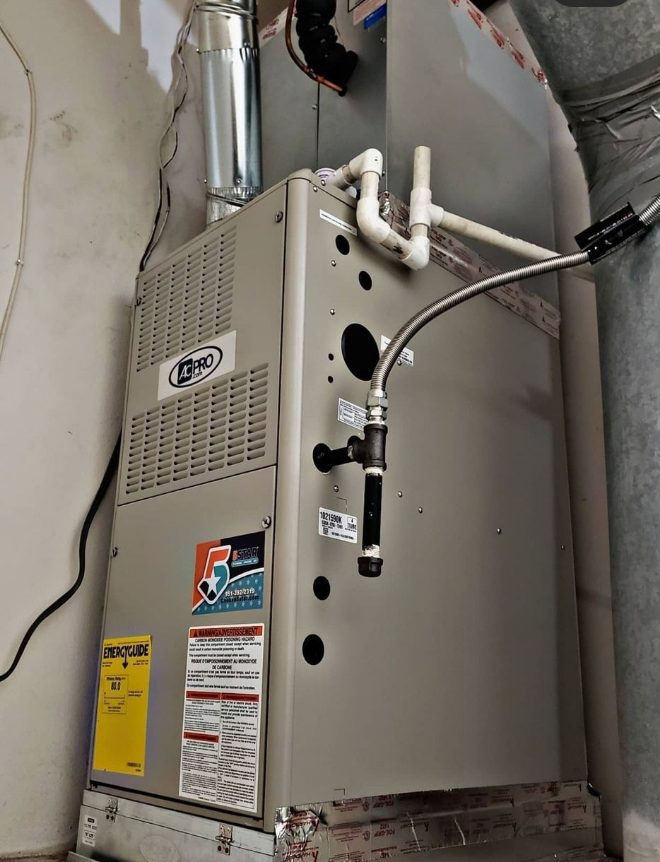
Your furnace has a metal heat exchanger. The burners heat the exchanger while the blower moves household air across it and into your ductwork. The air circulating through your home remains separated from the burner flame.
During a normal heating cycle, surfaces inside the furnace become very hot. Dust containing skin cells, fabric fibers, pet dander, pollen, and cooking residue can collect on these surfaces during the warmer months. When the furnace heats up, that material can produce the familiar dry, dusty burning smell.
A normal dust smell should appear shortly after the furnace starts and begin fading within about ten minutes. In most cases, it should be gone after one or two complete heating cycles. The odor should also become noticeably weaker each time you run the furnace.
If the burning smell is just as strong after several heating cycles, something other than dust may be causing it.
Homes with pets may notice a stronger smell because more hair and dander can accumulate. Remodeling can also leave drywall and construction dust in the system. If your furnace went through the summer without a properly installed filter, the smell may take longer to disappear.
Opening a few windows during the first heating cycle can help clear the odor from the house more quickly.
Furnace Smells You Should Not Ignore
Normal dust has a fairly mild, dry smell. Strong chemical, electrical, metallic, or sulfur odors can indicate a different problem.
Rotten eggs or sulfur
Natural gas is odorless, so utilities add an odorant that makes a leak smell like rotten eggs. If you smell this odor, leave the house immediately. Do not operate light switches, thermostats, garage door openers, or anything else that could create a spark.
Once you are safely outside, call SoCalGas at 1 800 427 2200 or call 911. Do not return inside until you have been told it is safe.
Burning plastic or an electrical smell
A sharp smell, similar to that of an overheated electrical cord, can indicate damaged wiring, a failing blower motor, capacitor problems, or an overheating control board. Unlike dust, this smell may become stronger as the furnace continues running.
Turn the system off and have it inspected.
Hot metal or oil
A metallic smell accompanied by squealing, grinding or whining may indicate a blower motor or bearing problem. Restricted airflow caused by a dirty filter or blocked vents can also cause the furnace to overheat.
Turn off the furnace, check the filter, and schedule service if the smell persists.
Smoke or visible haze
Visible smoke or haze should never be considered normal. Debris near the burners, material inside the ductwork, damaged insulation, or venting problems can all create a potential fire or safety hazard.
Turn the furnace off and call for service immediately.
Musty or damp odors
A basement-like or musty smell is usually related to moisture rather than combustion. Moisture inside the ductwork, a dirty evaporator coil, or mildew around a return vent can create this odor. It may affect indoor air quality, but it usually is not an emergency.
Sewage odors
Sometimes the furnace is not responsible at all. A rarely used sink, shower, or floor drain can dry out during the summer, allowing sewer gas to enter the home. Pouring water into the drain may restore the trap and eliminate the odor.
Give Your Furnace a Test Run Before Winter
Do not wait for Hemet’s first cold night to find out whether your furnace is working properly. Running the system for about fifteen minutes in the fall gives you time to identify problems before you really need the heat.
- Change the furnace filter. Start the heating season with a clean filter so the system has proper airflow.
- Clear the area around the furnace. Keep boxes, laundry, paint, solvents, and other combustible materials at least three feet away.
- Open your registers. Check that supply vents and return vents throughout the house are open and unobstructed.
- Turn on the heat. Set the thermostat several degrees above the current room temperature and listen as the system starts.
- Run it for about fifteen minutes. A normal dusty smell should begin to weaken rather than grow stronger.
- Check the vents. Make sure warm air is reaching every room in your home.
- Test your carbon monoxide detectors. Check the batteries and the manufacture date. Carbon monoxide detectors generally need to be replaced after several years, depending on the model.
When You Should Turn Off the Furnace
Turn off the furnace and call for professional service if you smell rotten eggs, see smoke or haze, notice an electrical odor or a burning plastic odor, or have a burning smell that persists after several heating cycles.
You should also have the system inspected if you hear unusual grinding or squealing sounds or notice it repeatedly shutting down.
If a carbon monoxide alarm sounds, leave the house and call 911. Carbon monoxide has no smell, so never rely on odor alone to determine whether your home is safe.
Get Ready Before the First Cold Night
A heating tune-up focuses on parts of your HVAC system that are not typically addressed during an air conditioning service. This includes inspecting the burners, ignition system, venting, gas pressure, and heat exchanger.
5 Star Plumbing, Heating & Air serves Hemet, San Jacinto, Menifee, Temecula and surrounding Riverside County communities. Scheduling a heating inspection before colder weather arrives can help uncover problems early and make sure your furnace is ready when you need it.