

Quick Summary
A sudden increase in your water bill can be frustrating, especially when you haven’t changed how much water you’re using. While seasonal changes and higher utility rates can sometimes explain the difference, an unusually high water bill may be a sign of a hidden plumbing problem. From running toilets and dripping faucets to underground leaks and malfunctioning irrigation systems, here are nine common reasons your water bill might be climbing and what you can do about them.
Key Takeaways
- A running toilet can waste hundreds of gallons of water daily, even when you can’t hear it.
- Hidden plumbing leaks can cause your water bill to increase without any visible signs of damage.
- Irrigation systems, water heaters, and water softeners can waste significant amounts of water when they malfunction.
- High water pressure can increase water consumption and contribute to plumbing leaks.
- Checking your water meter is one of the easiest ways to determine whether you have a leak.
- Some water utilities offer billing adjustments when homeowners repair qualifying leaks.
- Finding and fixing plumbing problems early can save money and prevent expensive water damage.
Why Did My Water Bill Go Up All of a Sudden?
You open your water bill, glance at the total, and immediately do a double-take. How did it get that high? You haven’t been taking hour-long showers, filling a swimming pool, or watering the lawn around the clock. As far as you know, nothing has changed.
Sound familiar?
A surprisingly high water bill is one of those household mysteries that can drive you crazy. The frustrating part is that you could be wasting hundreds or even thousands of gallons of water without realizing it. n. The good news is that most unexpected increases in water usage have an explanation. Sometimes it’s something simple, like a toilet that won’t stop running. Other times, it’s a hidden leak that requires a little detective work. Before you assume your water company made a mistake, here are nine plumbing problems worth checking.
1. Your Toilet Is Running (Even If You Can’t Hear It)
Let’s start with one of the biggest offenders: the toilet. A running toilet is surprisingly easy to overlook. Sometimes you’ll hear water constantly trickling into the bowl, but other times the leak is completely silent. Inside your toilet tank, a rubber flapper controls the flow of water into the bowl. Over time, that flapper can deteriorate, warp, or stop sealing properly. When that happens, water continuously escapes from the tank, and the toilet keeps refilling itself.
Depending on how bad the leak is, a running toilet can waste hundreds of gallons of water a day. Fortunately, there’s an easy way to check. Remove the toilet tank lid, add a few drops of food coloring to the tank water, and wait about 15 to 20 minutes without flushing. If the water in the bowl turns color, you’ve got a leak. Replacing a worn flapper is usually inexpensive, but if the problem involves the fill valve or other internal components, additional repairs may be necessary. If your water bill suddenly jumps, checking every toilet in your house is a great place to start, including the guest bathroom nobody uses.
2. You’ve Got a Hidden Leak Somewhere in Your Plumbing
Not every plumbing leak announces itself with a puddle on the floor. Some leaks develop behind walls, underneath flooring, inside ceilings, or in areas of your home you rarely visit. They can go unnoticed for weeks or even months while quietly driving up your water bill. Hidden plumbing leaks are particularly frustrating because you might not see any obvious signs until the problem becomes serious. Damp spots on walls or ceilings, peeling paint, bubbling drywall, musty odors, and unexplained mold growth can all indicate that water is escaping where it shouldn’t be. You might also hear water running when nothing is turned on or notice that your water pressure has dropped. Here’s something important to remember: You don’t need a major pipe break to have a major water bill problem. Even a relatively small leak can waste a surprising amount of water when it continues 24 hours a day. If you suspect a hidden leak, a professional plumber can use specialized leak-detection equipment to locate the problem without unnecessarily opening walls or tearing up flooring.
3. Your Water Heater Is Leaking
When was the last time you actually looked at your water heater? For most homeowners, the answer is probably somewhere between “a while ago” and “I have no idea.” Water heaters tend to sit quietly in garages, basements, closets, or utility rooms, which makes them easy to forget about until something goes wrong. Unfortunately, they can develop leaks around fittings, valves, connections, or the tank itself.
A leaking water heater may waste water continuously, especially if the leak is connected to a drain or goes unnoticed in an unfinished area. Check around the base of your water heater for moisture, rust, or mineral deposits. Also, take a look at the temperature and pressure relief valve discharge pipe. Continuous dripping from that pipe may indicate excessive pressure, overheating, or a faulty valve. If the tank itself is leaking, replacement is usually necessary. And don’t automatically assume that a small puddle near your water heater is harmless condensation. It’s worth finding out exactly where that water is coming from before the problem gets worse.
4. Your Irrigation System Has a Leak
If you have a sprinkler system, this one deserves some attention. Underground irrigation leaks are among the easiest plumbing problems to miss because, well, they’re underground. A cracked sprinkler pipe, broken sprinkler head, or malfunctioning irrigation valve can waste an enormous amount of water without creating an obvious problem inside your house. And because irrigation systems often run early in the morning, you might never actually see the leak happening. Look for unusually green or soggy patches of grass, water pooling around sprinkler heads, weak sprinkler pressure, or water continuing to flow after the system shuts off. Sometimes the problem isn’t even a leak. Your irrigation controller may have been accidentally reprogrammed to run more frequently or for longer periods. Before calling a plumber, check your watering schedule and manually run each irrigation zone to look for problems. A few minutes of investigating could explain why your water bill has suddenly increased.
5. A Faucet Is Dripping More Than You Think
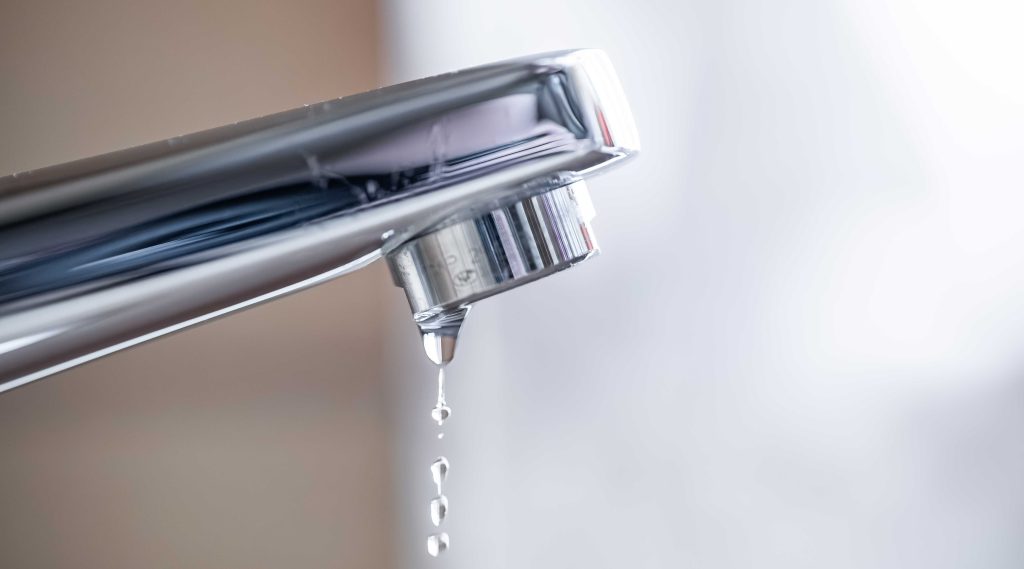
A dripping faucet might not seem like a big deal. After all, it’s just a few drops of water, right? Unfortunately, those drops add up. A faucet dripping once every second can waste thousands of gallons of water over the course of a year, depending on the size of the drops. Now imagine you have two or three faucets doing the same thing.
Common causes of dripping faucets include worn washers, damaged cartridges, deteriorating O-rings, and problems with the valve seat. The good news is that many faucet leaks are relatively straightforward to repair. Check your kitchen sink, bathroom sinks, laundry room, bathtub, and outdoor faucets. Don’t forget the hose bib on the side of your house that you haven’t used since summer. It’s also worth checking underneath sinks for moisture around supply lines and connections. Some leaks only occur when a faucet is running, making them harder to notice during your normal routine.
6. You Have a Slab Leak Beneath Your Home
This is one of the more serious possibilities, particularly if your home is built on a concrete slab foundation. A slab leak occurs when a water pipe running beneath or within the concrete foundation develops a leak. Because the damaged pipe is hidden under concrete, the problem can continue for quite some time before anyone realizes what’s happening.
Slab leaks can develop for several reasons, including pipe corrosion, shifting soil, abrasion, and aging plumbing materials. Signs of a possible slab leak include unexpectedly warm spots on your flooring, damp carpet, cracks in floors or walls, reduced water pressure, or the sound of water running beneath the floor. A hot-water line leak may also cause your water heater to run more frequently, potentially increasing both your water and energy bills. The tricky part is that slab leaks don’t always produce visible damage right away. If your water meter shows continuous usage when everything is turned off, and you’ve ruled out toilets, faucets, and irrigation, a slab leak is one possibility worth investigating. Professional slab leak detection can help pinpoint the source and determine whether a spot repair, pipe rerouting, or another solution makes the most sense.
7. Your Water Pressure Is Too High
Here’s a plumbing problem that doesn’t get nearly enough attention. High water pressure might sound like a good thing. Who doesn’t appreciate a strong shower? But excessive water pressure can put unnecessary stress on your plumbing system, causing faucets, valves, supply lines, and appliances to wear out faster. It can also increase the amount of water flowing through fixtures when they’re turned on, meaning you may use more water than necessary. Many homes have a pressure-reducing valve, often called a PRV, that helps regulate incoming water pressure. When that valve stops working properly, pressure can rise above recommended levels.
As a general guideline, residential water pressure is often best maintained around 40 to 60 PSI. Pressure above 80 PSI is generally considered excessive for household plumbing. You can check your home’s pressure using an inexpensive water pressure gauge attached to an outdoor faucet or washing machine connection. If the pressure is consistently too high, have a plumber inspect your pressure regulator. High pressure doesn’t automatically mean there’s a leak, but it can contribute to leaks and unnecessarily high water consumption.
8. Your Water Softener or Filtration System Is Malfunctioning
If your home has a water softener, reverse osmosis system, or whole-house filtration equipment, don’t overlook it. These systems are designed to improve your water quality, but they also use water during certain operating cycles. For example, traditional salt-based water softeners periodically regenerate to clean their resin beds. During regeneration, water is flushed through the system and discharged into a drain. That’s normal. What’s not normal is a system that gets stuck in regeneration mode, regenerates far more frequently than necessary, or continuously sends water down the drain. A malfunctioning reverse osmosis system can also waste water if its shutoff valve or other components fail. You might notice water continuously flowing into a drain, unusual noises coming from the equipment, increased salt consumption, or water usage that remains high overnight. If your water treatment equipment has a bypass valve, a technician may be able to use it temporarily to help determine whether the system is responsible. Just be sure to follow the manufacturer’s instructions.
9. An Underground Water Line Is Leaking
Sometimes the problem isn’t inside your home at all. The water service line connecting your house to the municipal water supply can develop leaks underground. Depending on where the leak occurs and how your property is metered, you could be paying for water that’s escaping into the soil before it ever reaches your faucets. These leaks can be caused by aging pipes, corrosion, shifting soil, tree roots, or damage from nearby digging.
Unfortunately, underground water line leaks aren’t always easy to spot. You might notice a persistently wet patch in your yard, unusually lush grass, or water pooling near your foundation. But sometimes there are no visible signs whatsoever. If your water meter continues moving when every water-using fixture and appliance is off, you may have a leak somewhere on the metered side of your plumbing system. A licensed plumber can help determine whether the problem is in your home’s plumbing, irrigation system, or underground service line. Because responsibility for water service lines varies by utility and location, it’s also worth contacting your water provider to find out which portions of the line you’re responsible for maintaining.
How to Tell If You Have a Water Leak Using Your Water Meter
Not sure where to start? Your water meter can be one of the most useful tools for figuring out whether you’re dealing with a leak. And the best part is that you don’t need to be a plumbing expert to use it. Start by turning off all faucets, showers, and water-using appliances. Make sure your washing machine, dishwasher, and irrigation system aren’t running. Then locate your water meter, which may be outside near the street, in a meter box, or inside your home. Many water meters have a small leak indicator, often a triangle or dial, that moves when water is flowing. Digital meters may display a flow indicator instead.
If the meter shows movement when everything is turned off, that’s a pretty good indication that water is going somewhere. You can also record the meter reading, wait 15 to 30 minutes without using any water, and check it again. If the reading increases, water is flowing somewhere in the metered system. That doesn’t necessarily tell you where the leak is, but it gives you a good reason to investigate further. You can also try turning off the main water shutoff valve to your home and checking the meter again. Depending on where that valve is located and how your plumbing is configured, this may help distinguish between a leak inside the house and one along the service line. Keep in mind that automatic equipment, including water softeners and irrigation systems, can complicate the test.
What If There’s No Leak, but Your Water Bill Is Still High?
Not every unusually high water bill is caused by a plumbing problem. Before spending money on repairs, take a closer look at the bill itself. First, compare your actual water consumption rather than just the dollar amount. Your utility company may have increased its rates, added fees, or changed its billing structure. You should also check whether your billing period was longer than usual. Other possible explanations include seasonal watering, additional household guests, filling a pool or hot tub, or increased water usage from appliances. Occasionally, billing errors and estimated meter readings can also explain unexpected charges. If your consumption appears unusually high but you can’t find a leak, contact your water utility and ask them to review your usage history. Some utilities can even provide daily or hourly water consumption data, which can help identify when the increase started.
Can You Get a Refund for a High Water Bill Caused by a Leak?
Possibly. Many water utilities offer some form of leak adjustment or billing assistance when homeowners experience an unexpected plumbing leak. The rules vary widely, but you may qualify for a partial adjustment if you can demonstrate that a leak occurred and that it was repaired promptly. Some utilities require a plumber’s invoice, photographs, or other documentation showing the repairs were completed. Others limit adjustments to certain types of leaks or a specific number of requests within a given period. It’s worth calling your water provider to ask about its leak adjustment policy. You may not get a full refund, but even a partial credit can make a difference.
When Should You Call a Plumber About a High Water Bill?
If you’ve checked your toilets, faucets, irrigation system, and water-using appliances but still can’t explain the increase, it’s probably time to bring in a professional. The same goes for situations where your water meter continues registering usage even though everything is turned off. A professional plumber can perform leak detection, inspect your plumbing system, check water pressure, and help identify problems that aren’t visible to the average homeowner. And while nobody loves paying for plumbing repairs, catching a leak early can save you considerably more money in the long run. A small plumbing problem can eventually turn into damaged drywall, ruined flooring, mold growth, or even foundation issues if left unaddressed.
The Bottom Line on Unexpectedly High Water Bills
A sudden spike in your water bill doesn’t necessarily mean you’re using more water. Sometimes it means water is being wasted somewhere you can’t see. The most common culprits are often surprisingly simple, like a running toilet, dripping faucet, or sprinkler system that’s working overtime. But if those aren’t the problem, hidden pipe leaks, water heater issues, slab leaks, and underground water line damage are all worth investigating.
The important thing is not to ignore an unexplained increase in water usage. The longer a leak continues, the more water it wastes and the more expensive the problem can become. Start with the easy checks, take a look at your water meter, and don’t hesitate to call a professional if something doesn’t add up. Your next water bill, and your home, will thank you.
Frequently Asked Questions
Why did my water bill double when nothing changed?
If your water consumption doubled without any obvious change in your routine, you may have an undetected leak. Running toilets, underground pipe leaks, and malfunctioning irrigation systems are common causes. However, billing changes, estimated meter readings, and increased utility rates can also explain unexpected charges.
Can a running toilet really cause a $200 water bill?
Yes. Depending on your local water rates and how much water the toilet is wasting, a continuously running toilet can add a substantial amount to your monthly bill. Severe toilet leaks can waste hundreds or even thousands of gallons per day.
How do I know if my high water bill is caused by a leak?
Start by turning off all water-using fixtures and appliances, then check your water meter. If the meter continues registering water usage, there’s a good chance water is flowing somewhere it shouldn’t be. A plumber can help locate the source.
Can an underground leak increase my water bill without visible signs?
Absolutely. Underground water line leaks can go unnoticed for long periods, particularly when the escaping water drains into surrounding soil. You may have no puddles, wet spots, or other obvious symptoms.
Will my water company tell me if I have a leak?
Some water utilities use smart meters that can detect unusual or continuous water consumption and notify customers about possible leaks. However, not every utility offers this service, and alerts aren’t guaranteed. It’s always a good idea to monitor your own water usage.
Should I call a plumber or the water company first?
If your bill is unusually high, start by checking your actual consumption and contacting your water company to rule out billing issues. If your meter indicates continuous water usage or you notice signs of a leak, contact a licensed plumber. For suspected leaks near the street or meter, your utility can help clarify responsibility.